Illustrated Tokyo scene with a pagoda, torii gates, a purple dragon and a golden samurai
Coded - Coding Education

Tokyo STEAMChampionship2027

STEAMArtificial IntelligenceRoboticsInnovationSocial Impact
About the Championship

An international academic competition

Tokyo STEAM Championship is Coded - Coding Education’s premier international academic competition, bringing together the winning teams from programs conducted between STEAM Project Orlando October 2024 and STEAM League AI 2026.

The competition is designed to challenge students to apply the principles of STEAM, Artificial Intelligence, Robotics, Innovation, and Social Impact to address real-world problems affecting their communities.
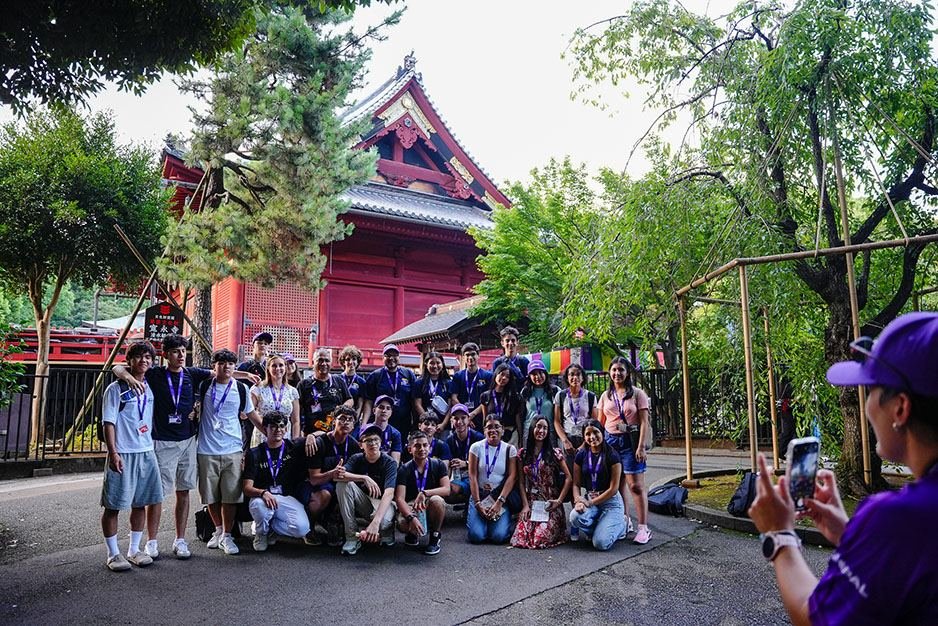
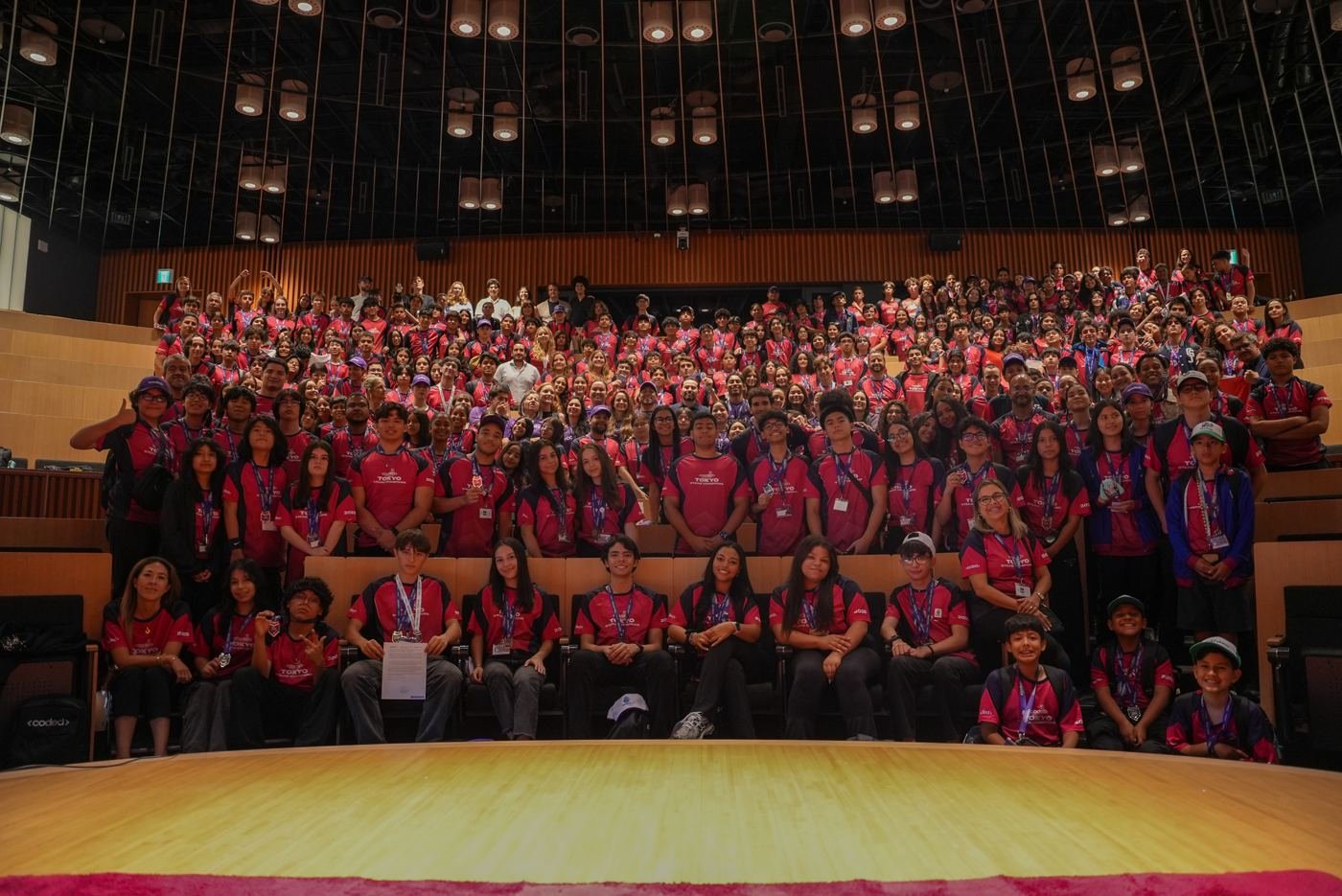
Students gathered for a group photo in front of a red temple in Tokyo
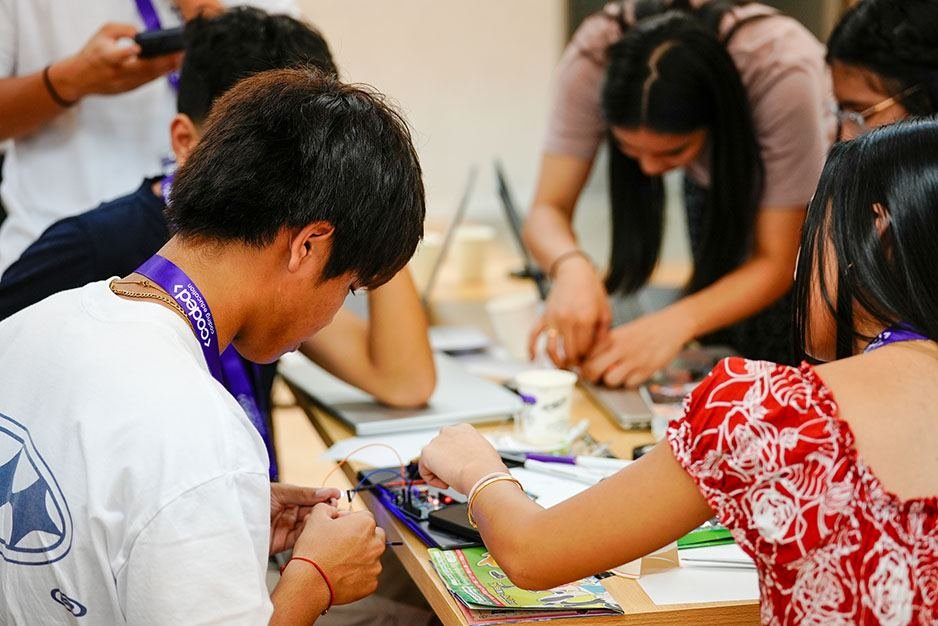
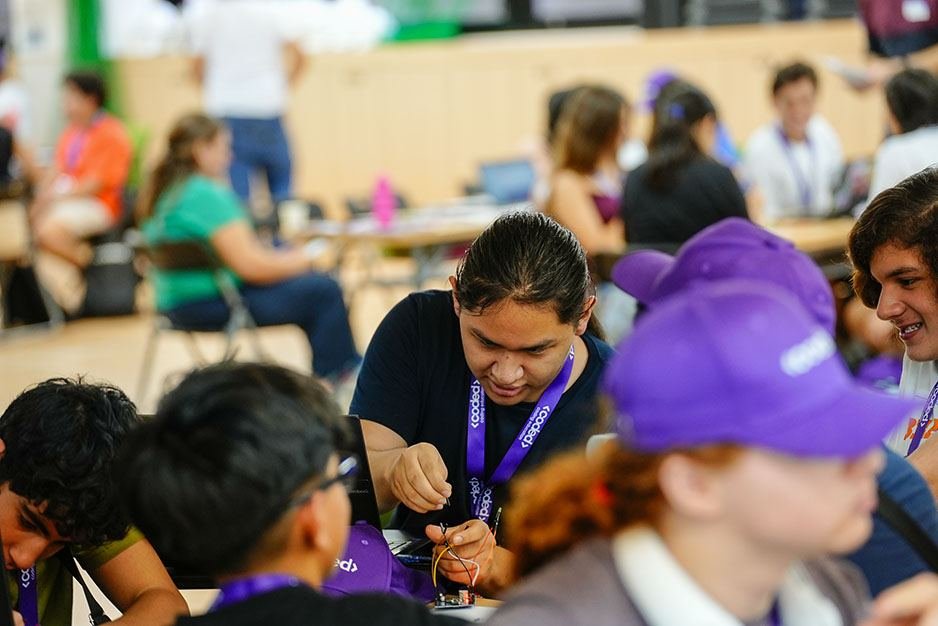
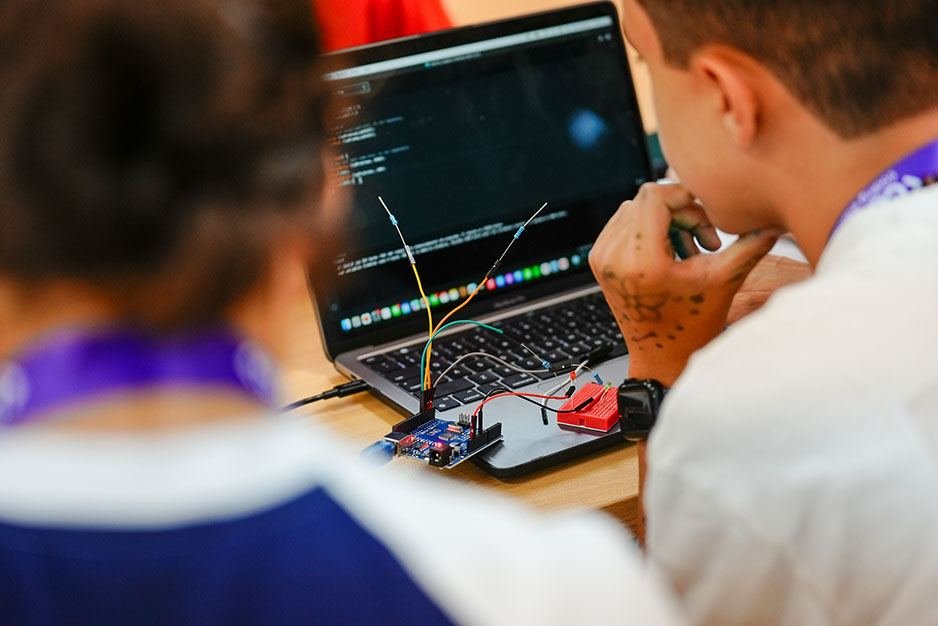
Students wiring and programming an electronics board
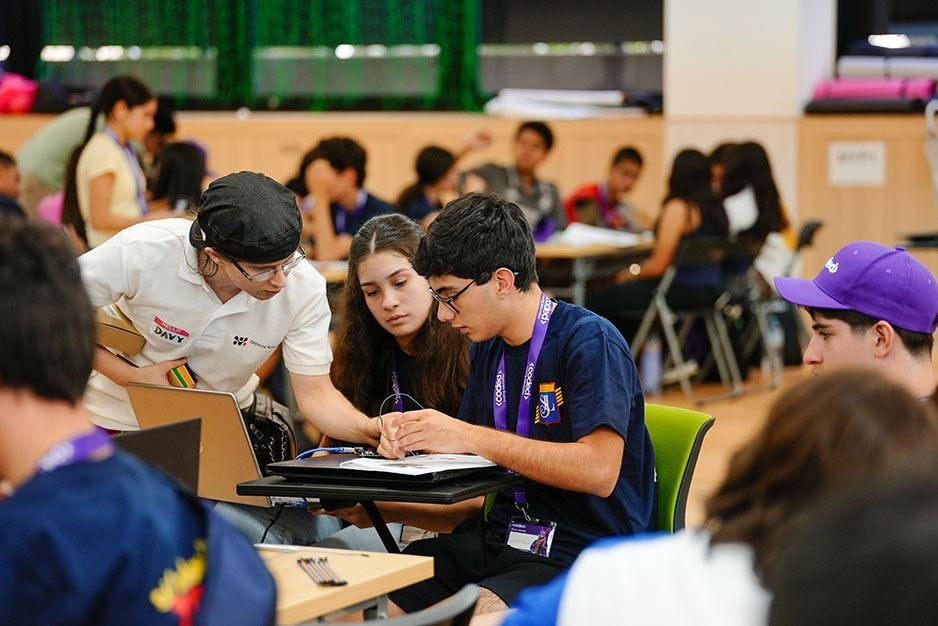
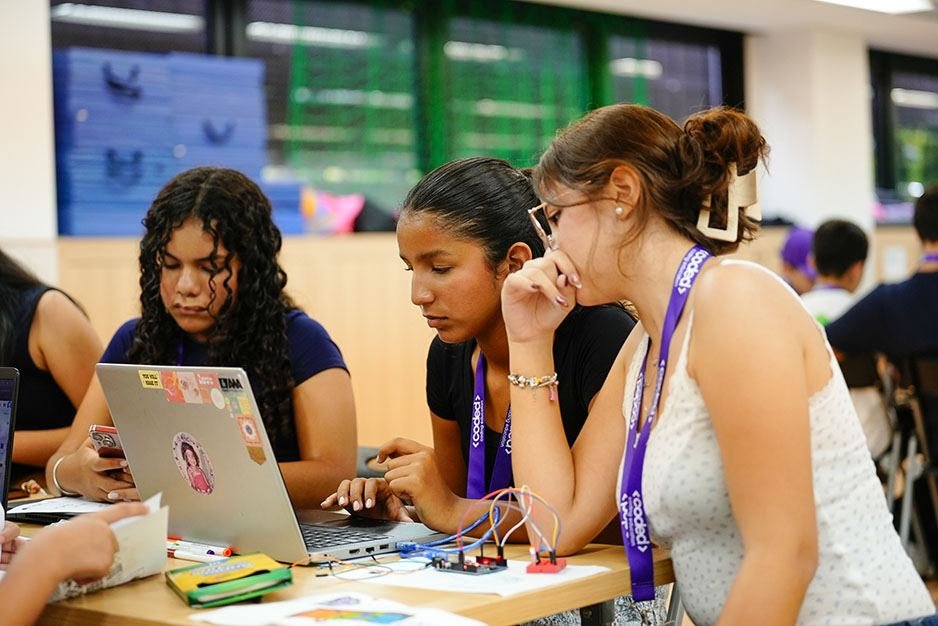
Students working together on a project at a table
The Challenge

From a community problem to a real solution

01

Participating teams are required to identify, investigate, and define a meaningful community challenge and develop a realistic, feasible, and sustainable solution supported by technology and interdisciplinary thinking. Throughout the process, students are expected to demonstrate critical thinking, research skills, innovation, project design, and ethical decision-making.

02

The ultimate goal is not simply to create a theoretical proposal, but to develop projects with genuine implementation potential and measurable community impact.

03

To support this mission, Coded - Coding Education will award financial funding to the three highest-ranked projects, enabling students to continue developing and implementing their solutions after the competition.

Gallery

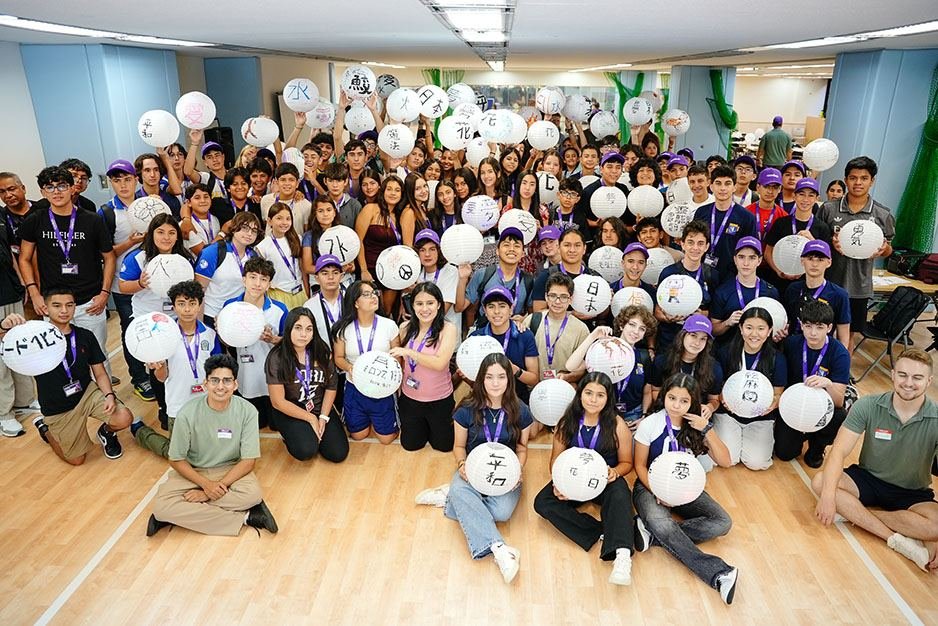
Moments from Coded - Coding Education programs
Program Structure

Program Structure

Tokyo STEAM Championship is divided into two major phases:

Phase 1

Phase 1: Project Development (Pre-Program Phase):

During this phase, participating schools work directly with the Coded - Coding Education Academic Team over eight months to prepare their competition projects.

Teams progress through a structured development process composed of four evaluable milestones. These checkpoints allow students to receive feedback, demonstrate progress, and continuously refine their ideas before arriving in Tokyo.

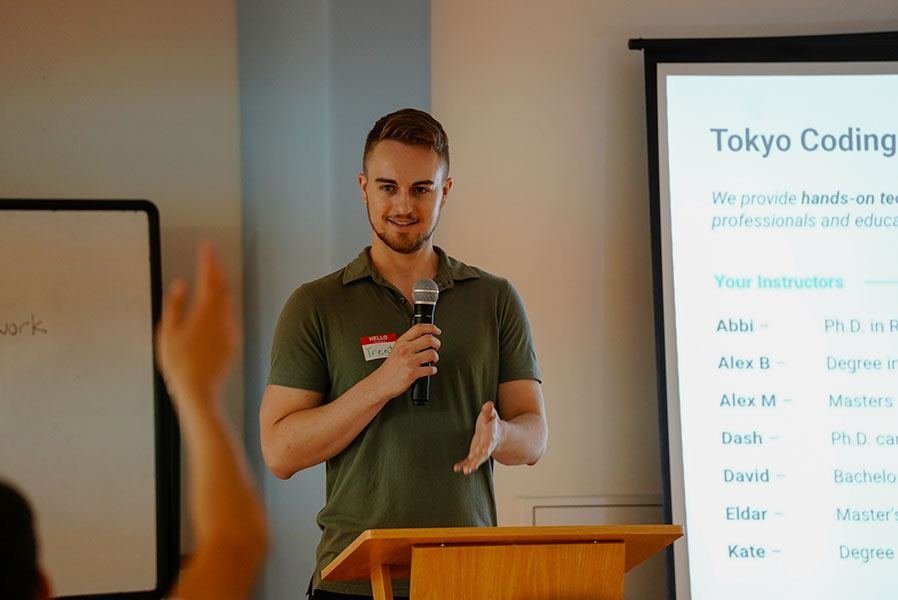
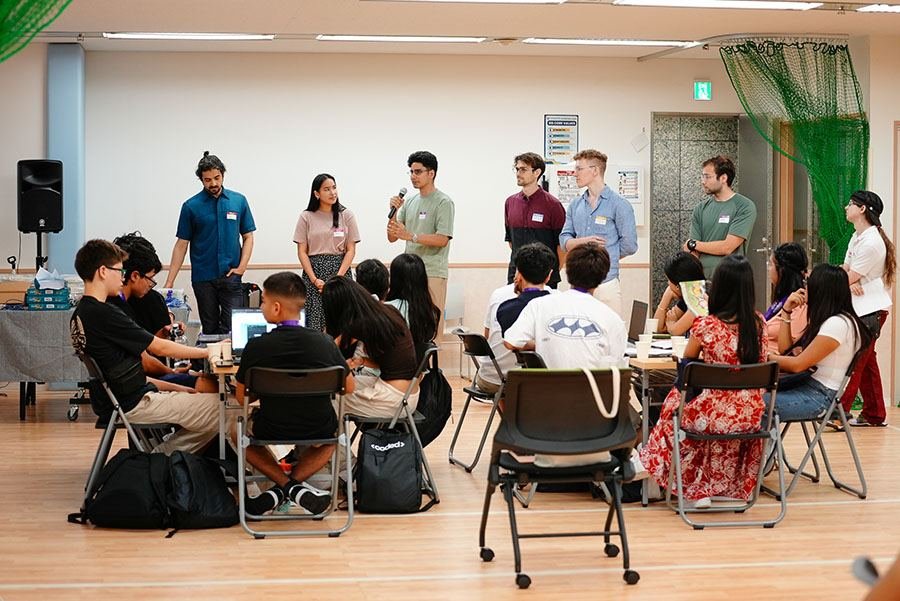
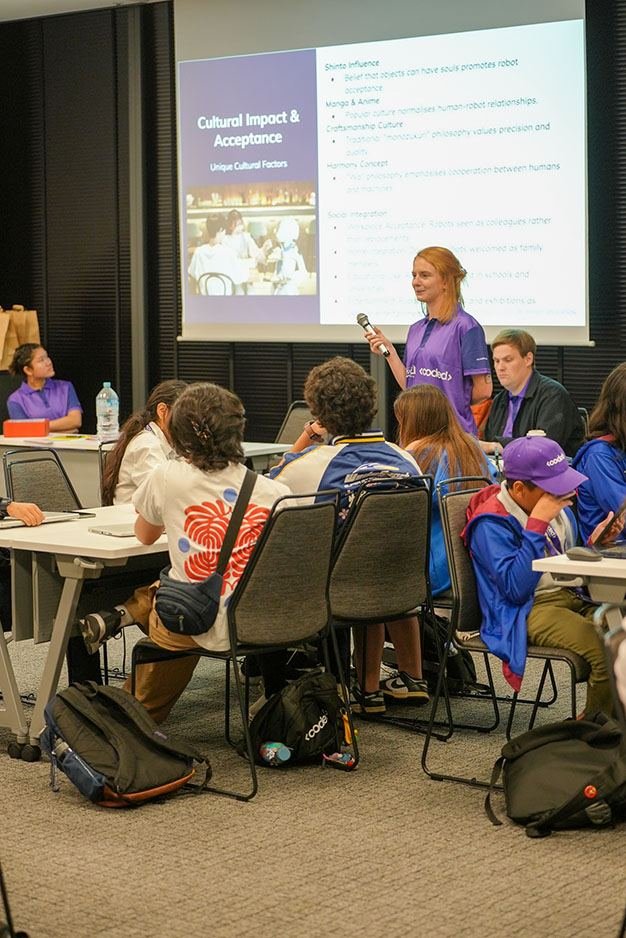
A member of the Coded - Coding Education academic team speaking to students
The objectives of this phase are to:
  • Guide students through the project development process.
  • Ensure projects are grounded in research and evidence.
  • Strengthen the technical and academic quality of proposed solutions.
  • Provide mentorship and academic support.
  • Monitor project progress and readiness.
  • Prepare teams for final competition requirements.

This phase requires continuous communication and collaboration between schools, students, teachers, and the Coded - Coding Education Academic Team. It guides participating teams through the complete lifecycle of a real-world innovation project, from the identification of a community problem to the presentation of a viable and implementable solution.

The Pre Program Phase serves as the foundation of the competition and allows students to progressively develop their projects through a series of structured milestones, receiving guidance, feedback, and evaluation throughout the process.

Project Stages

Four sequential stages

The track consists of four sequential project stages:

1.Problem Statement & Research:

Students identify, investigate, and define a real problem affecting their community. Teams conduct research, gather evidence, analyze stakeholders, and begin exploring potential technological solutions.

2.Solution Statement:

Teams further develop their proposed solution by incorporating STEAM principles, Artificial Intelligence, Robotics, and innovation methodologies. During this phase, students strengthen the feasibility, sustainability, and impact of their proposal.

3.Implementation & Project Planning:

Students transform their concept into an actionable project plan. This stage focuses on implementation strategies, resource requirements, risk assessment, sustainability planning, and long-term viability.

4.Presentation:

Teams will prepare and submit their final competition website presentation. For this deliverable the teams have to build an official website for their project, in it they will upload all the information they see fit to share with peers, stakeholders and potential sponsorships; we recomend teams to start building this site from day one of the competition.

Students must effectively communicate the problem, research findings, proposed solution, implementation strategy, expected impact, and supporting evidence. This stage also serves as preparation for the final onsite presentations in Tokyo. Alongside their recorded presentation of their website teams will have to submit a policy brief (the instructions will have be given by then).

For each phase, the Coded team will provide:
  • Objectives and learning outcomes.
  • Required deliverables.
  • Detailed instructions.
  • Recommended resources.
  • Structured timeline.
Key Dates

Overall Timeline

Overall Timeline
  • Project Launch: Monday November 23rd, 2026.
  • Prelims Presentations: Students will all submit their prelims presentation and policy brief on June 20th, 2027.
  • Project Refinement: Students will present their project’s solution’s refinement during the Closing Day in Tokyo.
Phase 2

Phase 2: High Tech & Robotics Track:

The onsite phase takes place in Tokyo, Japan, where finalist teams participate in an intensive academic experience designed to strengthen and refine their projects.

During the program, students attend workshops, receive feedback from experts, collaborate with peers from different countries, and continue improving their proposed solutions.

The High-Tech &Robotics Track runs simultaneously, progressing through:
  1. Foundational learning in Python and 3D modeling
  2. App development and high tech involvement with problem solving.
  3. Technical development of robotic solutions addressing the chosen SDG.
  4. Integration with the academic project.

This integrated approach ensures the development of a high technology based solution that directly supports the social impact goals identified in the team’s research. Participants will engage in rigorous, hands-on learning that integrates social entrepreneurship, technology, and global collaboration.

The onsite phase culminates with the Final Project Presentations, where teams present their work before an international panel of judges composed of educators, industry professionals, and STEAM experts. The onsite workshops and academic activities are delivered by Coded - Coding Education's academic team which will be responsible for:

  • Delivering the onsite academic workshops.
  • Providing expert guidance and mentoring.
  • Supporting project refinement activities.
  • Preparing students for final presentations.
  • Participating in the evaluation of the final Presentation Stage.
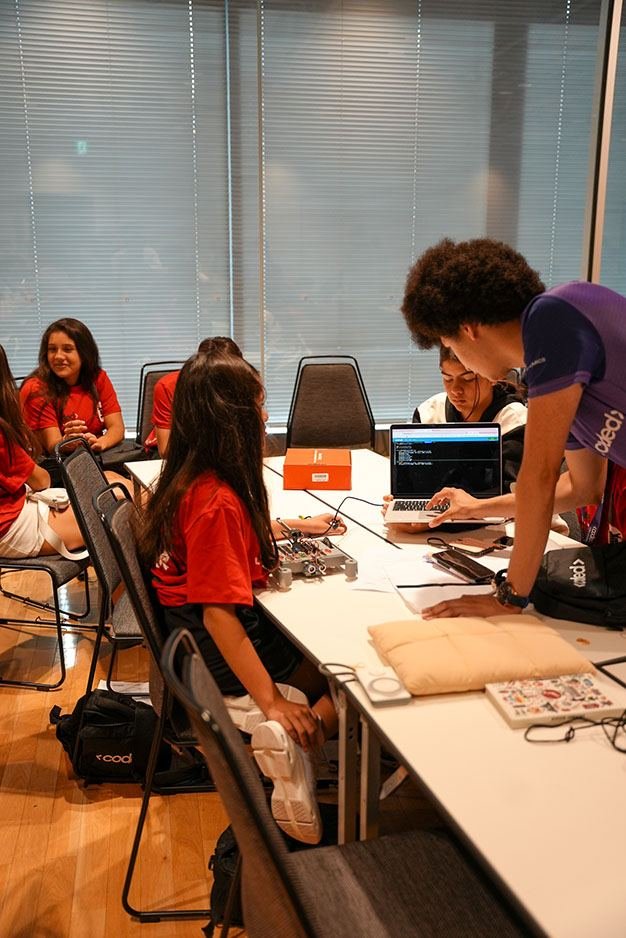
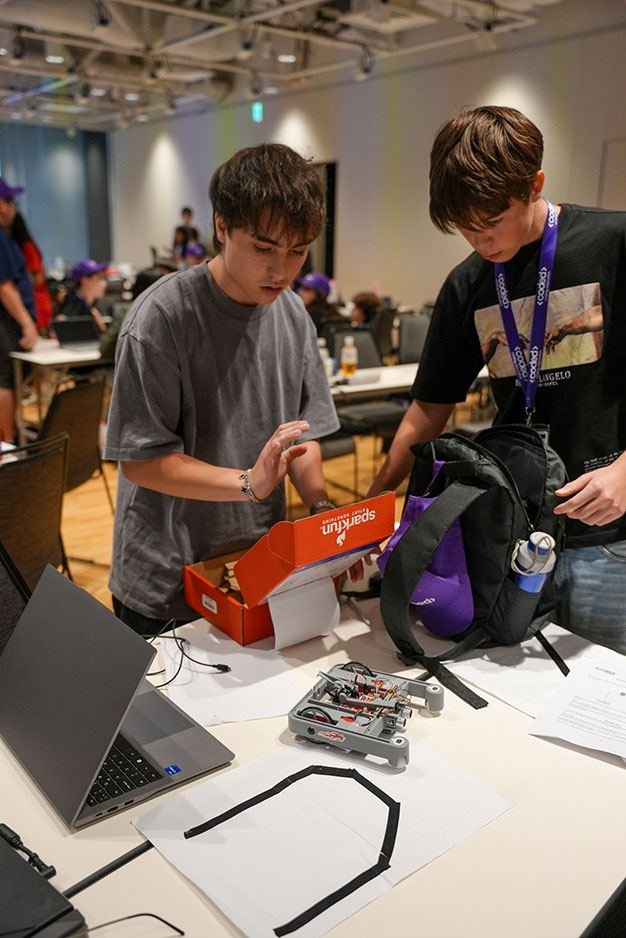
Students building and testing their project at a workshop table

Projects are evaluated according to established academic and technical criteria, and the highest-scoring teams are selected as competition winners.

Outcomes

At the conclusion of the program:

Top 3

The Top 3 projects receive financial support for implementation.

Students showcase their work to an international audience.

Schools become part of a growing global network of innovation and educational leadership.

Participants gain valuable experience in research, entrepreneurship, technology, and social impact.

The work of Coded - Coding Education’s academic team ensures that students receive both long-term project mentorship during the pre-program phase and specialized academic support during the onsite competition.

This dual-support model allows projects to evolve over several months while benefiting from expert feedback immediately prior to the final competition and award selection process.

Program Structure

Overall Timeline

ContentStart DateFinish Date
1Phase 1: Problem Statement & Research23/11/202630/01/2027
2Phase 2: Solution Statement (Category definement)01/02/202731/03/2027
3Phase 3: Implementation & Project Planning01/04/202720/05/2027
4Phase 4: Presentation & Policy Brief21/05/202720/06/2027
5Phase 5: High Tech & Robotics Track02/08/202712/08/2027
Program Structure

Social Media Challenge

Make Your Project Visible. Make Your Impact Possible.

1. Challenge Overview

A great solution deserves to be heard, shared, and understood.

As part of Tokyo STEAM Championship 2027, each team is challenged to create and manage an official social media account for its project using Instagram or TikTok.

This account will become the project's public communication channel, allowing teams to document their journey, share their ideas, raise awareness about the problem they are addressing, and connect with people and organizations that may contribute to their mission.

Your project should not exist only inside the classroom. It should start creating conversations within your community from Day 1.

Each team must link its official Instagram or TikTok account directly to its project website and begin publishing content from the very beginning of the pre-program.

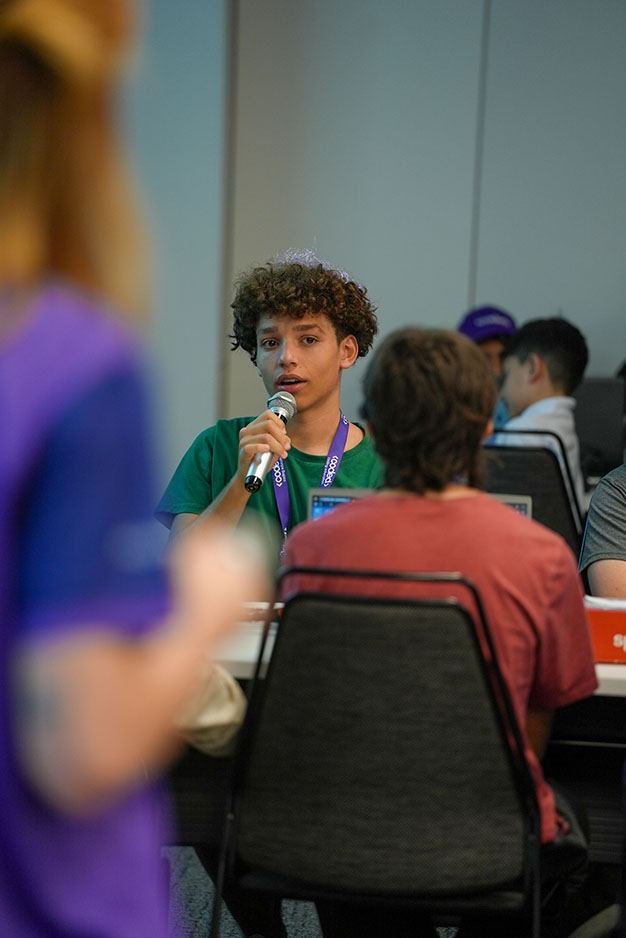
A student sharing ideas with a microphone during a session

2. Main Objectives

Through this challenge, teams are expected to:

01Raise Awareness:

Help others understand the problem your project addresses, why it matters, and who is affected by it.

02Communicate Your Solution:

Share your ideas, research, development process, and proposed technological solution in an accessible and engaging way.

03Build a Community:

Reach people who are interested in your topic and encourage meaningful conversations around the problem.

04Identify and Connect with Stakeholders:

Reach potential stakeholders, including community organizations, NGOs, educational institutions, experts, businesses, and other relevant groups.

05Create Opportunities for Collaboration:

Explore opportunities to obtain mentorship, technical guidance, partnerships, donations, or sponsorships.

06Encourage Real-World Impact:

Use digital communication as a tool to bring your project closer to the people and communities it aims to serve.

3. What Should Your Team Publish?

Your social media account should document the evolution of your project throughout the pre-program. Your content should be authentic, informative, creative, and consistent.

Consider including the following types of content:

A.Meet the Team
  • Introduce your team members and explain their roles.
  • Share why you decided to participate in Tokyo STEAM Championship 2027.
  • Explain what motivates you to work on this particular challenge.
B.Understanding the Problem
  • Introduce the problem your team wants to address.
  • Share relevant facts, statistics, and research findings.
  • Explain how the problem affects your community or target population.
  • Highlight why action is necessary.
C.Developing Your Solution
  • Present your initial ideas and proposed solutions.
  • Share brainstorming sessions, sketches, prototypes, and experiments.
  • Document your progress, challenges, and lessons learned.
  • Explain how technology, innovation, and STEAM disciplines contribute to your solution.
D.Meet Your Stakeholders
  • Identify individuals and organizations working in the same field.
  • Share relevant initiatives, interviews, or collaborations.
  • Document opportunities to connect with experts and community leaders.
  • Communicate how external support could help your project grow.
E.Progress and Impact
  • Share important milestones and achievements.
  • Explain how your solution could make a difference.
  • Communicate your future goals and the impact you hope to achieve.
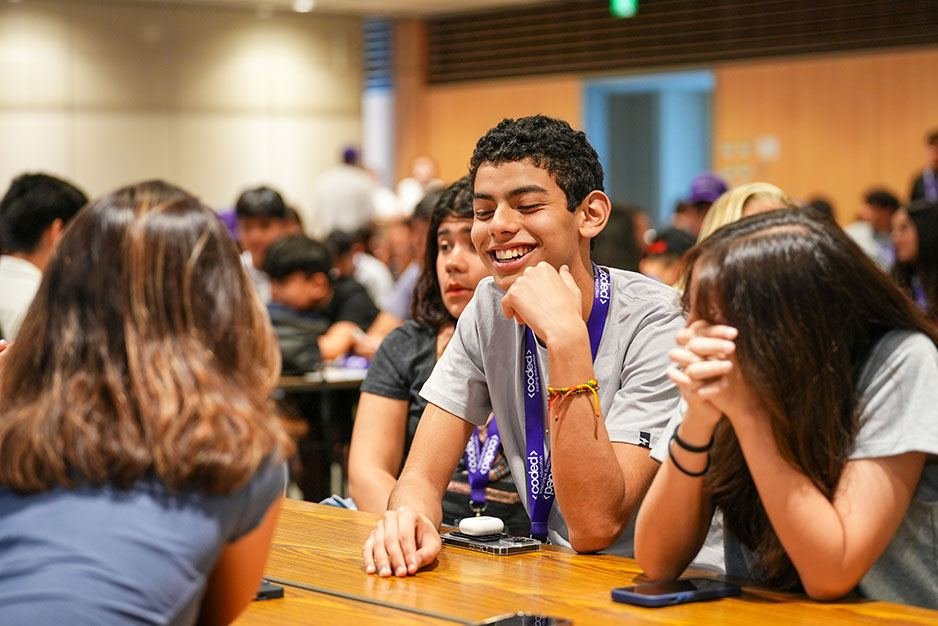
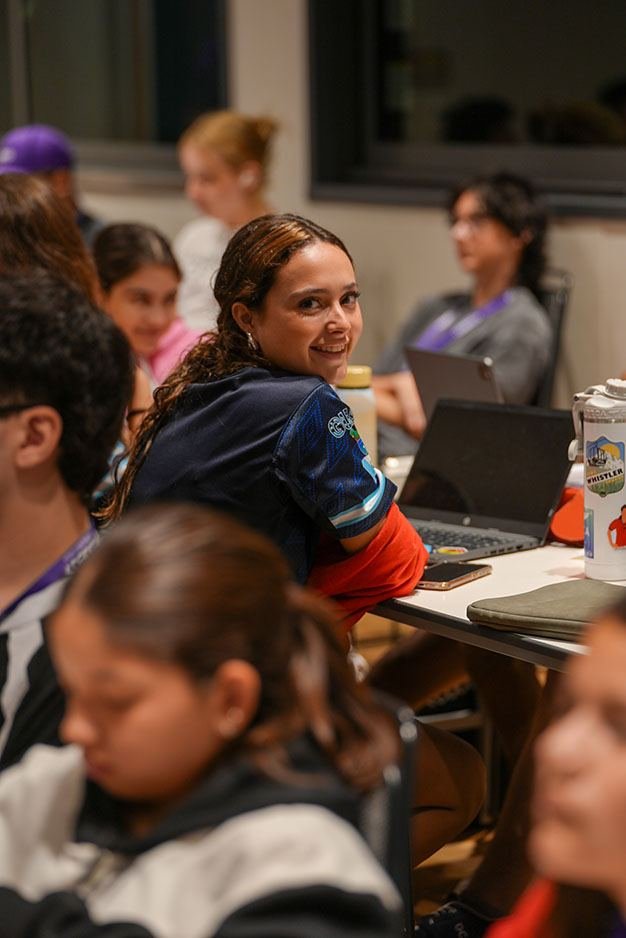
Students sharing and discussing their work at a table

4. Requirements

Each team must comply with the following requirements:

Important: The social media account must represent the team's project, not an individual student's personal account.

All accounts and publications must follow school policies and appropriate safeguarding guidelines. Teachers should supervise account creation and publication activities, ensuring that students have the necessary permissions before sharing photographs, videos, names, or other personal information. Never publish private information or contact external organizations on behalf of the team without appropriate adult supervision.

  • Create one official Instagram or TikTok account dedicated exclusively to the project.
  • Include the project name and a clear description of its mission in the account profile.
  • Add a direct link to the social media account on the team's official project website.
  • Begin publishing content from the first day of the pre-program.
  • Maintain an active and consistent publishing schedule throughout the different phases.
  • Ensure that all published information is accurate, relevant, and appropriate for the intended audience.
  • Keep documenting the project's progress until the end of the pre-program.

5. Think Beyond Followers: Build Meaningful Connections

The purpose of this challenge is not simply to accumulate likes, views, or followers.

We want students to understand that social media can be a powerful tool for social engagement, advocacy, and community development.

Think strategically:

?

Who needs to know about the problem you are addressing?

?

Which organizations are already working on this issue?

?

Could a local business become a potential sponsor?

?

Is there a university, research center, or expert who could provide guidance?

?

Could your project reach community representatives or local decision-makers?

?

What would make someone interested in supporting your initiative?

Your social media presence can become the first step toward building a network of people who believe in your project and may help you take it further.

6. Connection to Phase 2: Stakeholder Identification and Engagement

This challenge is directly connected to the stakeholder identification and engagement activities that will be developed during Phase 2.

By starting your communication strategy early, your team will have more opportunities to identify relevant stakeholders, understand their interests, establish initial contact, and explore possible forms of collaboration.

Your social media account can provide evidence of your outreach efforts and help demonstrate how your project is connecting with the real world.

7. Performance Expectations

Your team's performance in this challenge will be considered through the following dimensions:

Consistency:

Regular publication and documentation throughout the pre-program.

Content Quality:

Accurate, relevant, creative, and informative communication.

Awareness Generation:

Ability to explain the problem and communicate its importance.

Community Engagement:

Evidence of meaningful interaction with relevant audiences.

Stakeholder Outreach:

Identification of and engagement with individuals or organizations relevant to the project.

Strategic Communication:

Ability to use social media to support the project's objectives and long-term impact.

FINAL REMINDER

Don't wait until your solution is finished to tell the world about it.

Start sharing your journey from Day 1. Show people the problem, explain why it matters, introduce your ideas, document your progress, and invite others to become part of the conversation.

Your project may begin with a team of students, but with the right communication strategy, it could reach an entire community.

Make your project visible. Build connections. Create opportunities. Make an impact.

Two Integrated Pathways

Tiered Pathway Model

Unlike previous Coded - Coding Education programs, the SCT 2027 program will not divide teams into junior and senior categories. Instead, teams will be grouped based on their academic competencies and the specific nature of their projects. This new classification system is designed to foster more balanced collaboration and ensure that each team receives the appropriate level of guidance and challenge.

Tokyo STEAM Championship runs two integrated pathways so that schools at different levels of technical readiness can participate fully and equitably. Both pathways share the same overarching challenge theme and core AI content. The idea is that the chosen path aligns with the nature of the project.

Students working on laptops during a workshop
Pathway 01

High-Tech Pathway

  • Academically beginner groups.
  • No prior robotics experience is required.
  • Solution based in high tech development (app or website).

Students develop an Android mobile application that addresses one or more UN Sustainable Development Goals. The project integrates AI-driven data analysis, cloud connectivity via Firebase and professional-grade UI design.

Students will:
  • Use Android Studio, the industry-standard program for Android app development.
  • Program in Java and Kotlin to build interactive functionality.
  • Design app interfaces using the Android Studio layout designer.
  • Integrate Firebase for cloud storage and user authentication.
  • Test and debug using the built-in Android emulator or a physical device.
  • Apply machine learning to analyse data and generate insights or predictions.

The skills gained are highly transferable to tech-focused careers. Students will build foundations in user interface and user experience design, data and statistical analysis, and professional programming practice, all within an industry-standard development environment.

Final outcome:A fully functioning Android mobile app that addresses one or more UN Sustainable Development Goals, accompanied by a presentation explaining the real-world problem it solves and the technology behind it.
Pathway 02

HighTech & Robotics Pathway

  • Academically more advanced groups.
  • Solution based on a robotic implementation.

This is the advanced pathway for schools with strong STEAM, coding and engineering backgrounds and a more sophisticated project. It includes everything in the High-Tech Pathway, plus physical robotics engineering using XRP and optional 3D printing.

Students will:
  • Use Python and XRP robotics platforms.
  • Build and program intelligent robots.
  • Integrate AI, sensors, automation and data.
  • Engineer physical systems that solve real-world problems.
Students assembling a robot kit
Final outcome:A fully functioning XRP robot combined with an AI-driven system and an engineering pitch.
Choosing a Pathway

How teams choose their path

Each school will decide the category they will develop their project on when they present their Phase 2 (Solution Statement) deliverable. After this selection is made they won’t be able to change it. During the Phase 1 (Problem Statement & Research) feedback the academic team will suggest which path would be better for each project, but the final decision will be solely the team’s decision.

Each school will represent a single team, with special exceptions for schools that have more than one pass to the program. All projects will be judged together, so schools may combine different age groups if preferred.

For Every Student

Learning Objectives

The following objectives apply to all students regardless of pathway. Pathway-specific objectives are listed separately below.

Universal objectives

Universal objectives:

By the end of the program, all students will develop:

01Research Skills:

Be able to conduct a proficient research identifying significant social/environmental challenges using qualitative and quantitative data from diverse sources.

02Problem Statement:

Formulate clear, concise problem statements based on research, effectively communicating issues in written and spoken English.

03Solution Development:

Design realistic, viable solutions considering feasibility, sustainability, and local implementation using social entrepreneurship and public policy principles.

04Project Planning:

Create structured plans outlining implementation steps, resource allocation, stakeholder engagement, evaluation metrics, budgeting, and risk management.

05Presentation Skills:

Refine ability to present findings through written, visual, and oral communication, advocating for policy changes.

06Cultural Integration:

Apply insights from Tokyo experiences and international case studies to develop innovative, contextually appropriate solutions.

07Team Collaboration:

Work in interdisciplinary teams to brainstorm, refine, and defend proposals, simulating real-world policymaking processes while practicing English.

08Robotics Applications:

Understand how robotics can enhance proposed solutions through Python programming, 3D modeling, and emerging technologies.

09Leadership Development:

Take initiative, delegate responsibilities, and make informed decisions while navigating the policymaking process.

10Adaptability:

Iterate ideas based on feedback and challenges, building resilience for problem-solving in dynamic environments.

11Social Awareness:

Gain deeper understanding of people affected by target issues, fostering empathy and civic responsibility.

12Time Management:

Prioritize tasks, set realistic goals, and stay organized under pressure while managing multi-phase projects.

13Independent Learning:

Take ownership by exploring new concepts, researching unfamiliar topics, and seeking solutions beyond the classroom.

Students and mentors in a workshop room
Pathway-specific

Additional objectives by pathway

High-Tech Pathway: additional objectives

  • Build a multi-screen Android application using Java and Kotlin.
  • Configure Firebase for real-time cloud data storage and user authentication.
  • Apply machine learning models to analyse SDG datasets and generate meaningful insights.
  • Demonstrate professional UI/UX design principles within an industry-standard development environment.

High-Robotics Pathway: additional objectives

  • Program an XRP robotics platform using Python to perform autonomous physical tasks.
  • Read, calibrate and interpret data from distance, light and gyroscopic sensors.
  • Design and assemble a physical robotic system that integrates hardware and software components.
  • Apply AI decision logic to drive autonomous behaviour in a physical robot.
  • Evaluate physical system performance through iterative testing and quantitative analysis.
Research Toolkit

Academic Resources

Section 1

1.-Recommended Research Resources

Academic & Peer-Reviewed Sources

Government & Institutional Reports

Community Data Collection

  • Stakeholder interviews.
  • Survey tools (Google Forms, Typeform)

Program Resources

  • Nine-class guide for the academic route.
  • Articles Folder in both English & Spanish with project-related materials.
Section 2

2.-Best Practices for Research

Identifying Reliable Information

  • Use academic and institutional sources.
  • Check for peer-reviewed research.
  • Verify multiple sources.
  • Be aware of potential bias.
  • Ensure research is recent (recent being within 5 years unless historical context needed)

Unreliable Sources to Avoid

  • Wikipedia (except as a starting point).
  • Unverified social media posts.
  • News websites without citations.
  • Opinion blogs and non-expert forums.
Section 3

3.-Academic Content Layout

For the SCT2027 pre-program phase you’ll have access to nine different classes that will guide you through your academic journey. Pay attention to all of them and make sure to also check out the rest of the academic articles that will be shared with you and your classmates.

01

Theory of Change

  • Definition and Purpose: Explain what Theory of Change is and its relevance in understanding how social, economic, or environmental change happens.
  • Applications in Real Life: Use case studies, particularly in education or community development, to demonstrate the theory in action.
02

UN SDGs

  • History and introduction to the of the SDGs
  • Overview of the 17 SDGs: Brief introduction to each goal.
  • Connections to Japan: Highlight Japan’s specific contributions or challenges related to the SDGs, e.g., innovation in clean energy (Goal 7).
  • Cross-disciplinary Focus: Explore links between SDGs and Change Theory, highlighting systemic challenges.
03

Public Policies, Projects & Programs

  • Definitions and Distinctions: Clarify what differentiates a policy, a project, and a program.
  • Case Study Analysis: Example of Tokyo’s public transport policy or a global program like Gavi (the Vaccine Alliance).
  • Policy Development Cycle: Exploration of steps from agenda setting to implementation.
  • PRECEDE-PROCEED model.
    • PRECEDE (Predisposing, Reinforcing, and Enabling Constructs in Educational/Environmental Diagnosis and Evaluation): Centers on planning and identifying problems.
    • PROCEED (Policy, Regulatory, and Organizational Constructs in Educational and Environmental Development): Focuses on implementation and evaluation.
04

The PRECEDE & PROCEED Model

  • Gain a deep understanding of the PRECEDE-PROCEED Model.
  • Learn how to apply the model in public policy planning and evaluation.
  • Identify each phase and its role in public interventions.
  • Develop a public policy intervention plan using PRECEDE-PROCEED.
05

LFA: The Logical Framework Approach

  • Introduction to LFA: Overview of objectives, activities, and measurable outcomes.
  • Key Components: Problem analysis, goal setting, and indicators of success.
06

The Problem & Solutions Tree

  • Concept and Use: Show how the tree connects root causes, primary issues, and effects.
  • Interactive Exercise: Identify a challenge in Tokyo (e.g., housing affordability) and map its problem tree and solution tree.
  • Real-World Connection: Use examples from Tokyo’s urban planning initiatives or disaster preparedness.
07

Policy Brief

  • What is a Policy Brief? Purpose, structure, and target audience.
  • Components: Executive summary, problem statement, recommendations, and conclusion.
  • Example Review: Analyze a policy brief related to environmental policy in Japan.
  • Practical Activity: Write a one-page policy brief on a local issue in Tokyo
08

Stakeholders Mapping

  • Definition and Importance: Why stakeholder engagement is critical in project success.
  • Mapping Techniques: Power vs. interest grids, influence maps.
  • Interactive Component: Map stakeholders for a Tokyo-based SDG initiative, like reducing urban heat islands.
  • Conflict Resolution: Discuss managing differing stakeholder priorities.
09

Evaluation Process

  • Purpose and Types: Explain formative vs. summative evaluations.
  • Steps in Evaluation: Defining objectives, collecting data, analyzing results, and feedback loops.
  • Metrics and Indicators: Discuss how to set measurable KPIs and KRIs
    • KPIs (Key Performance Indicators) are measurable values that demonstrate how effectively a project is achieving its objectives. They focus on performance and progress.
    • KRIs (Key Results Indicators) provide insights into the end results and overall outcomes of a project, offering a retrospective view of its success or impact.
Presentations
Academic Resources

Presentations

Nine classes for the SCT2027 pre-program phase.

Your Roadmap

Project Development

The Project Development section is your roadmap throughout the entire project journey.

How it works

What you will find in each phase

Here, you will find the information and guidance for each phase of the project as we move forward. The phases will be released progressively, allowing you to focus on each stage of development and build your project step by step.

For every phase, you will find:

01Phase Description

What the phase is about and why it is important.

02Learning Objectives

What you are expected to learn and achieve.

03Tasks & Deliverables

The activities and outputs you will need to complete.

04Evaluation Criteria

How your work will be reviewed and evaluated.

Step by step

Build Your Project Step by Step

It is important to understand that the phases are connected. Each phase builds upon the work completed in the previous one, gradually taking your project from identifying and understanding the problem to developing, refining, and presenting your final solution.

Take the time to carefully review the instructions, objectives, tasks, and evaluation criteria for each phase. This section will serve as your main reference throughout the project development process.

Your digital record

Your Project Website

As you develop your project, you will also be building the official website for your project. You may use the platform of your choice to create it.

Students in a workshop session with a presenter

Your website should grow alongside your project and should progressively document your work. It should include information such as:

  • Your team and team members
  • The problem you are addressing
  • Your proposed solution
  • Your research and findings
  • The different stages of your project development
  • Your decisions, progress, and improvements
  • Relevant evidence, resources, prototypes, or materials

Think of your website as the digital record of your entire project journey.

By the end of Phase 4, your website will also become an essential part of your final project presentation. It should allow judges and other participants to clearly understand the problem you identified, the solution you developed, and how your team arrived at it.

Remember: do not wait until the end to build your website. Update it continuously as you progress through each phase so that your final version reflects the complete development of your project.

Understand the phase. Complete the tasks. Document your progress. Build your solution.

Your project is developed phase by phase — and your website should grow with it.

Phase 1

Phase 1: Problem Statement & Research

Timeline: November 23rd, 2026- January 30th, 2027

Introduction

Before developing a solution, it is essential to understand the problem that needs to be addressed.

In this phase, teams will identify, investigate, analyze, and define a critical issue affecting their local community, country, or region. Students will conduct structured research, review reliable sources, analyze relevant data, identify key stakeholders, and examine the underlying causes and effects of the issue.

The purpose of this phase is not to propose a solution yet, but to build a strong evidence-based understanding of the problem. Teams are expected to move beyond general observations or assumptions and use research and data to determine what is happening, who is affected, why the problem exists, and why it requires attention.

The research conducted throughout this phase will lead to the development of a clear and well-defined Problem Statement. This statement will serve as the foundation for the subsequent stages of the project, where teams will develop, plan, and ultimately present their proposed solution.

A strong project begins with a strong understanding of the problem.

Phase Overview

Phase Overview

During this phase, teams will investigate a meaningful real-world issue affecting their community, country, or region. Through research, data analysis, and structured problem-definition methodologies, students will develop an evidence-based understanding of the issue and identify the factors that contribute to it.

Teams will be expected to:

  1. Identify a relevant and meaningful community issue.
  2. Conduct research using reliable and credible sources.
  3. Review and evaluate existing research related to the issue.
  4. Analyze relevant databases and quantitative information.
  5. Identify patterns, trends, and significant findings in the available data.
  6. Identify the individuals, groups, organizations, or institutions affected by or involved in the issue.
  7. Analyze the causes and consequences of the problem.
  8. Distinguish between the symptoms of a problem and its underlying causes.
  9. Organize and synthesize their research findings.
  10. Use evidence to support their conclusions.
  11. Develop a structured Problem Tree to visualize the relationship between causes, the core problem, and its effects.
  12. Formulate a clear, specific, and evidence-based Problem Statement.

Throughout the process, teams should remain open to refining their initial assumptions. Research may reveal that the original problem is broader, narrower, or different from what was initially expected. Students should therefore use the evidence they collect to continuously refine their understanding and definition of the issue.

Main Objective

Main Objective

The main objective of this phase is to develop a clear, specific, and evidence-based Problem Statement supported by thorough research and data analysis.

The final Problem Statement should provide a strong foundation for the development of the project's solution in the next phase.

By the end of the phase, teams should be able to clearly explain:

  • What is the problem?
  • Who is affected by it?
  • Where and in what context does it occur?
  • What evidence demonstrates that the problem exists?
  • What are its main causes and effects?
  • Why is it important to address it?
Deliverables

Deliverables

Phase 1 consists of four sequential tasks. Each task contributes evidence and analysis that will be used to develop the final Problem Statement.

TASK 1Task 1 — Research Source Review

Teams will identify, review, and evaluate relevant research sources related to their selected issue.

  • Purpose: To establish a reliable research foundation and understand what is already known about the problem.
  • Key output: A structured review of relevant and credible sources, including the main findings and their relevance to the team's research question.
Task 1
TASK 2Task 2 — Database Analysis

Teams will identify and analyze relevant databases and quantitative information related to their selected issue.

  • Purpose: To use data to identify patterns, trends, dimensions, and evidence that demonstrate the scope and significance of the problem.
  • Key output: A data analysis supported by relevant evidence, visualizations, and/or statistical findings.
Task 2
TASK 3Task 3 — Findings Report

Teams will synthesize the information collected through their research and data analysis into a structured report.

  • Purpose: To consolidate the evidence, identify the most significant findings, and develop a deeper understanding of the problem and its context.
  • Key output: A research findings report presenting the key evidence, findings, stakeholders, causes, effects, and implications identified through the investigation.
Task 3
TASK 4Task 4 — Problem Tree

Teams will organize their findings using a Problem Tree, identifying the central problem, its underlying causes, and its direct and indirect effects.

  • Purpose: To move from a collection of findings toward a structured definition of the problem and its root causes.
  • Key output: A completed Problem Tree that clearly demonstrates the relationship between the root causes, core problem, and effects.
Task 4
Phase Outcome

Phase Outcome

The four tasks will collectively provide the evidence and analytical foundation required to formulate the team's final Problem Statement.

By completing this phase, teams should have:

Research→Data→Findings→Problem Analysis→Problem Statement

The Problem Statement developed at the end of this phase will become the starting point for Phase 2: Solution Statement, where teams will begin designing and developing an innovative response to the identified challenge.

Phase 1

Task 1

Research Source Review

Phase 1

Task 2

Database Analysis

Phase 1

Task 3

Findings Report

Phase 1

Task 4

Problem Tree

Project Development

Phase 2

Coming soon

Project Development

Phase 3

Coming soon

Project Development

Phase 4

Coming soon

Science · Technology · Engineering · Arts · Mathematics

STEAM Pathway

Every element of the STEAM Championship 2027 program is explicitly mapped to the STEAM disciplines. This ensures that all students, regardless of pathway, receive a genuinely cross-disciplinary education that connects technical skills to broader human and societal contexts.

Students in Tokyo in front of a wall of paper lanterns
S

Science: Artificial Intelligence & Environmental Systems

Description:

Workshop overview

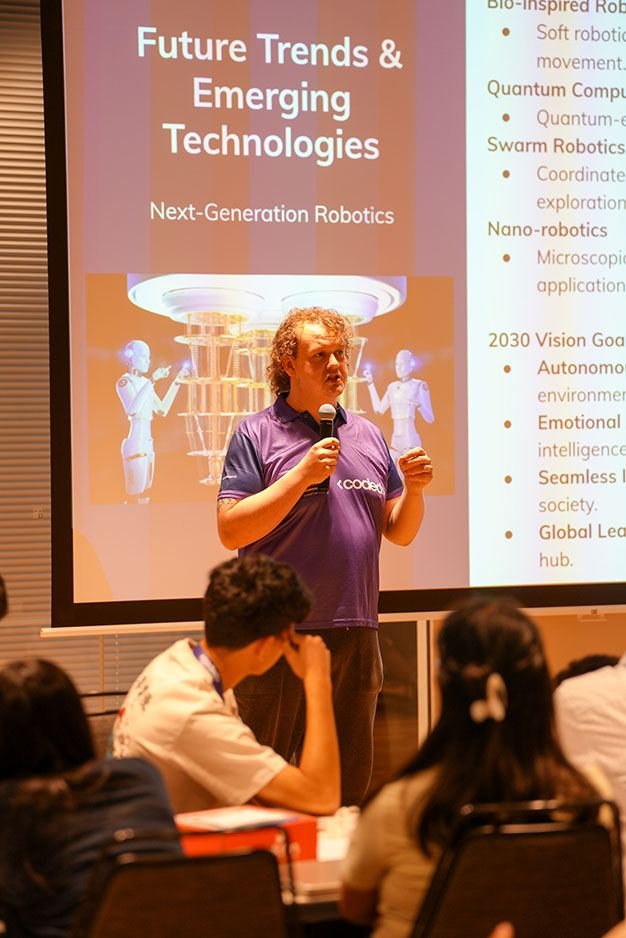
A presenter speaking about future trends and emerging technologies

This workshop introduces students to the scientific and technological foundations behind modern environmental research. Participants will explore the fundamentals of artificial intelligence and machine learning while learning how environmental data can be collected, analyzed, and interpreted to better understand climate and sustainability challenges.

Through hands-on activities, students will examine how sensors, data analysis, and statistical evaluation are used in real-world scientific research aligned with the United Nations Sustainable Development Goals (SDGs). The workshop emphasizes the connection between scientific inquiry, emerging technologies, and responsible innovation.

Learning Tracks

Two specialized learning tracks

Students will then apply these concepts through two specialized learning tracks:

High-Tech Group:

Students will begin their first coding session using Android Studio, where they will explore the fundamentals of mobile application development. Participants will initiate the construction of a simple environmental monitoring application, learning how software tools can support scientific data collection and analysis.

High-Robotics Group:

Students will begin their first Python programming session using the XRP robotics platform. They will test pre-prepared logic sequences, explore how sensors capture environmental information, and begin the physical assembly of robotic components used for data collection and experimentation.

Objectives

Objectives:

  • Understand the basic principles of artificial intelligence and machine learning as they apply to scientific and environmental research.
  • Analyze how environmental data can be collected, interpreted, and connected to global sustainability challenges and the SDGs.
  • Explore the role of sensors and digital technologies in modern environmental monitoring and research.
  • Apply introductory coding concepts through either mobile application development (High-Tech track) or robotics programming using Python (High-Robotics track).
  • Evaluate how technology-driven tools can support data collection, experimentation, and evidence-based decision making.
360 Experience

360 Experience: Red Tokyo Tower VR Experience.

As a complement to the Science workshop, students will participate in an immersive experience at RED Tokyo Tower, a cutting-edge digital technology park where virtual reality (VR), augmented reality (AR), and interactive simulations converge.

During this experience, participants will explore how complex environmental and technological systems can be visualized, simulated, and understood through immersive digital environments. Students will engage with real-time interactive systems that demonstrate how data, artificial intelligence, and user interaction are integrated to create responsive and dynamic experiences.

This activity reinforces the connection between scientific concepts explored in the workshop—such as data analysis, AI, and environmental systems—and their real-world applications, allowing students to transition from understanding technology to experiencing it in action.

Learning Objectives:

  • Understand how virtual and immersive technologies (VR/AR) are used to model and visualize complex systems.
  • Explore how data and AI-driven processes operate within interactive digital environments.
  • Analyze the relationship between the physical and digital worlds through real-time technological experiences.
  • Recognize how immersive technologies can support scientific research, communication, and innovation.

Students experience how artificial intelligence and data systems are applied in immersive environments, strengthening their ability to connect scientific concepts with real-world technological applications.

T

Technology: Digital Product Development: Apps & Cloud Solutions

Description:

Workshop overview

Students working at their tables during a technology workshop

This workshop focuses on the technological foundations required to transform conceptual ideas into functional digital and robotic solutions. Students will explore key tools used in modern software development, including mobile application programming, cloud integration, and robotics control systems.

Participants will gain exposure to industry-relevant technologies such as Android Studio, Java and Kotlin programming, Firebase cloud services, and machine learning integration through ML Kit, while also learning how debugging and testing processes support reliable technological development.

Learning Tracks

Two specialized learning tracks

The workshop is structured around two specialized learning tracks that allow students to explore different technological applications:

High-Tech Group:

Students will develop their mobile application development skills using Android Studio, working with Java and Kotlin to build and refine application features. They will also explore Firebase and cloud computing services, learning how modern apps manage data, integrate machine learning tools such as ML Kit, and implement debugging and testing processes to improve functionality and performance.

High-Robotics Group:

Students will work with the XRP robotics platform, developing Python-based programs that control robotic behavior and sensor interaction. Participants will explore how robotics systems interpret data, execute programmed commands, and interact with their physical environment while strengthening their understanding of testing, iteration, and system optimization.

Objectives

Objectives:

  • Understand the core principles of mobile application and robotics development within modern technology ecosystems.
  • Apply introductory programming concepts using Java/Kotlin for mobile applications or Python for robotics systems.
  • Explore how cloud services and machine learning tools support intelligent software functionality.
  • Develop problem-solving strategies through debugging, testing, and iterative improvement of technological systems.
  • Recognize how integrated hardware and software solutions can be used to address real-world challenges through technology.
360 Experience

360 Experience: Akihabara Electric Town Rally.

As a complement to the Technology and Mathematics workshops, students will participate in an interactive exploration rally in Akihabara Electric Town, one of the world’s most iconic centers of innovation, electronics, and digital culture.

Through guided challenges, participants will explore robotics stores, electronics shops, and gaming environments, analyzing how real technological products integrate hardware, software, and data-driven systems. Students will observe how sensors, interfaces, and digital platforms operate within everyday technologies, connecting these observations to concepts such as app development, cloud systems, and data processing explored in the classroom.

This experience bridges the gap between theory and practice, allowing students to recognize how programming, data analysis, and system design are applied in real-world innovation ecosystems, particularly within Japan’s global leadership in technology.

Learning Objectives

  • Identify how hardware, software, and data systems interact within real technological products.
  • Analyze how data is generated, processed, and utilized in digital and interactive environments.
  • Connect concepts of app development, cloud computing, and machine learning with real-world applications.
  • Recognize how technology ecosystems integrate multiple disciplines to create functional and innovative solutions.

Students connect technological and mathematical concepts to real-world applications, strengthening their ability to design data-driven solutions inspired by global innovation environments.

E

Engineering: Robotics & Intelligent Systems Integration

Description:

Workshop overview

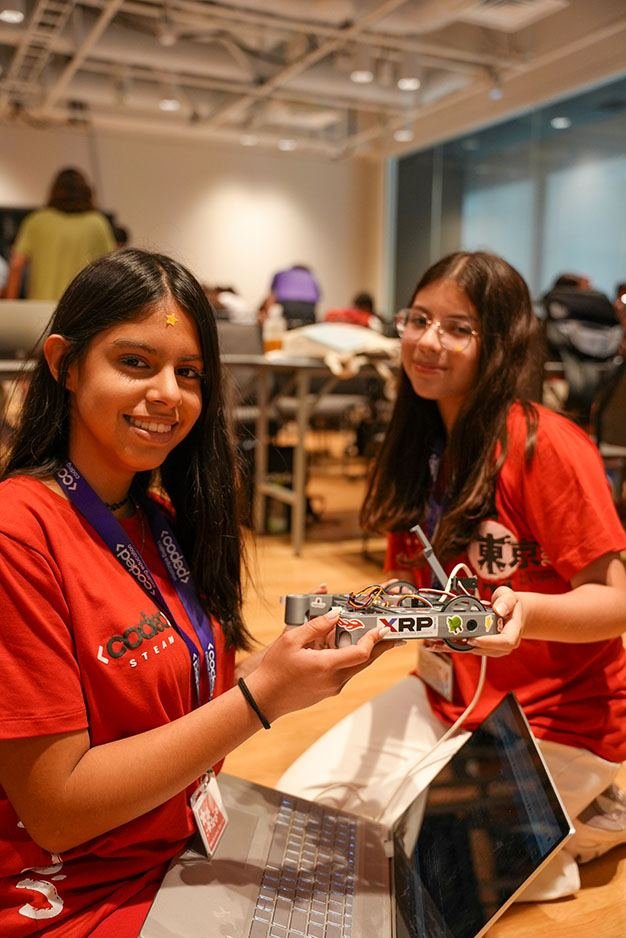
Two students holding the robot they built

This workshop focuses on the engineering principles required to transform technological components into a fully integrated system. Students will explore systems thinking as a framework for understanding how hardware, software, and data-driven technologies interact to create functional solutions.

Through hands-on activities, participants will design and assemble robotic structures using the XRP platform, learning how mechanical design, electronics, and programming must work together to achieve reliable performance. The workshop also introduces elements of robot chassis design, physical assembly, and optional 3D printing, highlighting how engineering design processes support rapid prototyping and iterative development.

Learning Tracks

Two specialized learning tracks

Students will work within two specialized learning tracks that emphasize different aspects of engineering integration:

High-Tech Group:

Students will focus on integrating their mobile application with AI-driven features and external systems. They will explore how applications communicate with sensors, robotics platforms, and cloud-based services, developing an understanding of how software architecture supports larger technological ecosystems.

High-Robotics Group:

Students will concentrate on the physical engineering and assembly of the XRP robotic platform, constructing and refining the robot chassis while integrating sensors and programmed behaviors. Participants will explore how mechanical design decisions affect movement, stability, and performance, strengthening their understanding of robotics engineering and system optimization.

Objectives

Objectives:

  • Understand the principles of systems thinking and how multiple technological components interact within a single engineered solution.
  • Apply basic engineering design processes, including prototyping, testing, and iterative improvement.
  • Explore the integration of hardware, software, and AI systems within robotics and digital technologies.
  • Develop practical skills in robot chassis assembly, sensor integration, and system configuration.
  • Recognize how engineering solutions evolve through collaboration, experimentation, and continuous refinement.
360 Experience

360 Experience: Industry Visit (TBD)

As a complement to the Engineering workshop, students will participate in an exclusive industry visit in Japan, gaining first-hand exposure to how advanced technological systems are designed, built, and optimized in real-world environments.

Through this experience, participants will observe how engineering principles such as systems integration, automation, and iterative design are applied within high-performance industries—most likely within the automotive or advanced manufacturing sector. Students will gain insight into Japanese approaches to precision, efficiency, and continuous improvement (kaizen), understanding how complex systems are developed, tested, and refined at a professional level.

This experience reinforces the concepts explored in the workshop, allowing students to connect robotics, system design, and engineering processes with real industrial applications, while envisioning themselves as future innovators in global technology ecosystems.

Learning Objectives

  • Understand how engineering systems integrate hardware, software, and data in real-world industrial environments.
  • Analyze how automation, precision, and iterative processes support high-performance system design.
  • Recognize the role of continuous improvement (kaizen) in optimizing engineering solutions.
  • Connect classroom learning in robotics and system integration to professional engineering practices.

Students develop a deeper understanding of how integrated engineering systems operate in real-world industries, strengthening their ability to apply systems thinking and innovation to complex technological challenges.

A

Arts: Human-Centered Design: UX & Digital Interfaces

Description:

Workshop overview

A student photographing an immersive light installation

This workshop explores the creative and human-centered dimensions of technology development. Students will learn how design thinking, storytelling, and visual communication shape the way people interact with technological solutions. The focus is on ensuring that digital and robotic systems are not only functional, but also intuitive, meaningful, and accessible to real users.

Participants will work with core UI/UX design principles, exploring tools such as empathy mapping, user personas, and wireframing to better understand how user needs influence the design of applications and technological systems. Students will also develop skills in data storytelling, learning how to communicate complex technical and environmental information in ways that are engaging, persuasive, and visually clear.

The workshop also includes reflective and professional development components, encouraging students to connect their project work with broader career pathways in technology, design, and innovation.

Learning Tracks

Two complementary tracks

Learning experiences are organized into two complementary tracks:

High-Tech Group:

Students will focus on designing intelligent digital interfaces for their mobile applications. Through wireframing and UI/UX design exercises, they will refine how users interact with the features developed during the technology workshops. Students will also explore data visualization and presentation design, ensuring that environmental or research data generated by their projects can be clearly communicated to an audience.

High-Robotics Group:

Students will examine how human-centered design principles apply to robotics systems, focusing on usability, interaction, and visual communication. They will design presentation materials that explain how their robotic solutions function, while also exploring ways to communicate technical processes and real-world data effectively.

The workshop concludes with a careers panel and reflective journal activities, allowing students to connect their learning experiences with real-world professions in design, technology, and interdisciplinary innovation.

Objectives

Objectives:

  • Apply human-centered design principles to the development of technological and robotic solutions.
  • Use tools such as empathy mapping, user personas, and wireframing to design effective user experiences.
  • Communicate complex ideas through data storytelling, visual design, and structured presentations.
  • Reflect on how design and creativity influence the success and accessibility of technological innovation.
  • Identify potential career pathways in design, digital media, user experience, and interdisciplinary technology fields.
360 Experience

360 Experience: Team Labs Tokyo Rally.

As a complement to the Arts workshop, students will visit TeamLabs Tokyo, a world-renowned immersive art space where technology, design, and human interaction converge.

Through large-scale installations that respond in real time to movement, light, sound, and data, participants will experience how digital systems, sensors, and programming are used to create meaningful and engaging user interactions. Students will explore how technology can go beyond functionality to become intuitive, emotional, and deeply connected to the user experience.

This experience reinforces the principles of human-centered design explored in the workshop, allowing students to understand how creativity, storytelling, and interaction design shape the way people engage with technological systems, while inspiring them to design solutions that are both functional and impactful.

Learning Objectives

  • Understand how human-centered design principles are applied in immersive digital environments.
  • Analyze how sensors, data, and real-time systems create interactive user experiences.
  • Explore the role of visual communication, storytelling, and design in technology development.
  • Recognize how creativity and technology combine to produce engaging and meaningful user interactions.

Students develop the ability to design intuitive and impactful technological solutions by integrating creativity, user experience, and interactive system design.

M

Mathematics: Data Science & Machine Learning

Description:

Workshop overview

This workshop explores the mathematical foundations that support modern artificial intelligence and data-driven technologies. Students will develop data literacy and analytical skills by examining how mathematical concepts such as statistics, probability, and pattern recognition underpin machine learning systems and digital decision-making processes.

Participants will learn how numerical data is collected, organized, interpreted, and used to train intelligent systems. Through guided exercises, students will explore statistical analysis, probability in machine learning models, and techniques for data visualization, learning how charts, graphs, and quantitative evidence support both technological development and effective communication.

Students will also examine how AI systems are evaluated using performance metrics such as precision, recall, and F1 score, gaining an understanding of how developers measure the reliability and effectiveness of machine learning models.

Learning Tracks

Adapted to both program tracks

Learning activities will be adapted to the two program tracks:

High-Tech Group:

Students will analyze the datasets that support their mobile applications and AI features, exploring how Firebase and cloud-based systems manage and process real-world data. They will examine how machine learning models interpret patterns within data and how numerical insights can inform application design and decision-making.

High-Robotics Group:

Students will explore how sensor data from robotics systems can be interpreted through statistical analysis and visualization. They will examine how robots collect and process environmental data, and how mathematical reasoning supports accurate system responses and improved performance.

Throughout the workshop, students will also learn how numerical data can be used persuasively, developing the ability to present quantitative evidence clearly when explaining their technological solutions.

Objectives

Objectives:

Students analyzing information together
  • Develop foundational data literacy skills, including data interpretation, organization, and visualization.
  • Understand how probability and statistics support machine learning and AI systems.
  • Analyze and interpret performance metrics such as precision, recall, and F1 score to evaluate model effectiveness.
  • Use charts, graphs, and quantitative evidence to communicate data-driven insights clearly and persuasively.
  • Recognize the role of mathematics in supporting AI development, robotics performance, and data-informed technological innovation.